
Asbestos and your health
Note: For information on asbestos abatement for professionals across various sectors and industries, visit the asbestos support and guidance: renovation, demolition, and certification web page. The web page covers permitting and certification, fee information, payment portal, lists of consulting firms, general abatement contractors, training providers, and landfills that accept asbestos waste, and all related forms.
Overview
Asbestos is the name of several naturally occurring fibrous minerals mined for their properties. The fibrous minerals are used in products for thermal insulation, chemical and thermal stability, and high tensile strength.
Before the 1990s, asbestos was more widely used in various building materials, including ceiling tiles, floor tiles, roofing shingles, pipes, boilers, water heaters, popcorn ceilings, and textured surfacing materials typically found on walls and ceilings. Asbestos exposure can occur when asbestos-containing materials are disturbed or damaged, releasing fibers into the air. This may occur during demolition work, building, home maintenance, repair, or remodeling.
Asbestos may still be used in building materials for various reasons. Asbestos
fibers are incredibly strong and have properties that make them resistant to heat and chemical damage, insulate against electricity, and add durability to a product. Asbestos is commonly added to thermal and acoustic insulation, fireproofing, roofing products, and flooring.
Some of the more common products that may contain asbestos include:
- Acoustical materials.
- Decorative plaster.
- Joint compounds.
- Adhesives and mastics.
- Ductwork flexible fabric connections.
- Floor tile.
- Electric wiring insulation.
- Laboratory hoods/tabletops.
- Base flashing electrical cloth.
- Blown-in insulation.
- Electrical panel partitions.
- Pipe insulation (corrugated air-cell, block, etc.).
- Boiler insulation.
- Elevator brake shoes.
- Roofing felt.
- Breaching insulation.
- Elevator equipment panels.
- Roofing shingles.
- Carpet backings.
- Spackling compounds.
- Caulking/putties.
- Fire curtains.
- Spray-applied insulation.
- Ceiling tiles and lay-in panels.
- Fire doors.
- Taping compounds (thermal).
- Thermal paper products.
- Cement wallboard, heating, and electrical ducts.
- Sheet vinyl flooring (linoleum).
- Chalkboards.
Asbestos and your health
Asbestos minerals are made up of microscopic bundles of fibers that may become airborne when disturbed. Asbestos fibers are a known carcinogen that can cause respiratory disease. If these fibers get into the air, they can be inhaled into the lungs, which may cause significant health problems. Researchers still have not determined a "safe level" of exposure. However, the higher the concentration of fibers and the longer the exposure, the greater the risk of contracting an asbestos-related disease. Researchers often evaluate health impacts with a “latency period,” which refers to the time between the asbestos exposure and the onset of related disease. Asbestos-related health issues include:
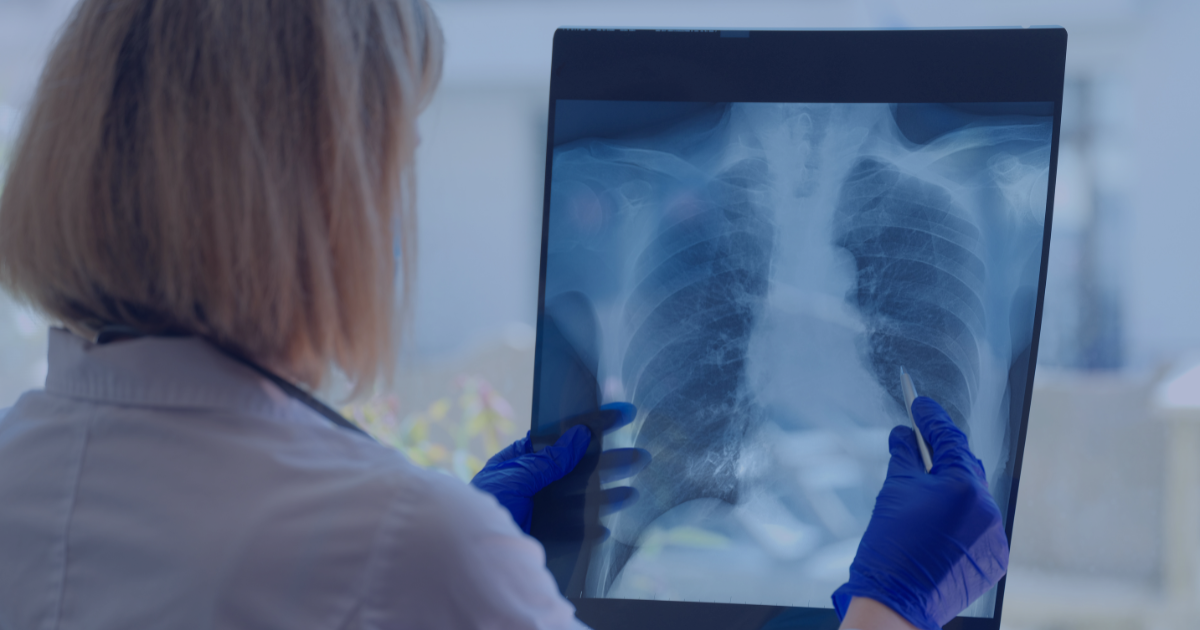
Asbestosis is a disease that causes scarring of the lungs. Eventually, this scarring may become so severe that the lungs cannot function. The latency period is often 25-40 years.
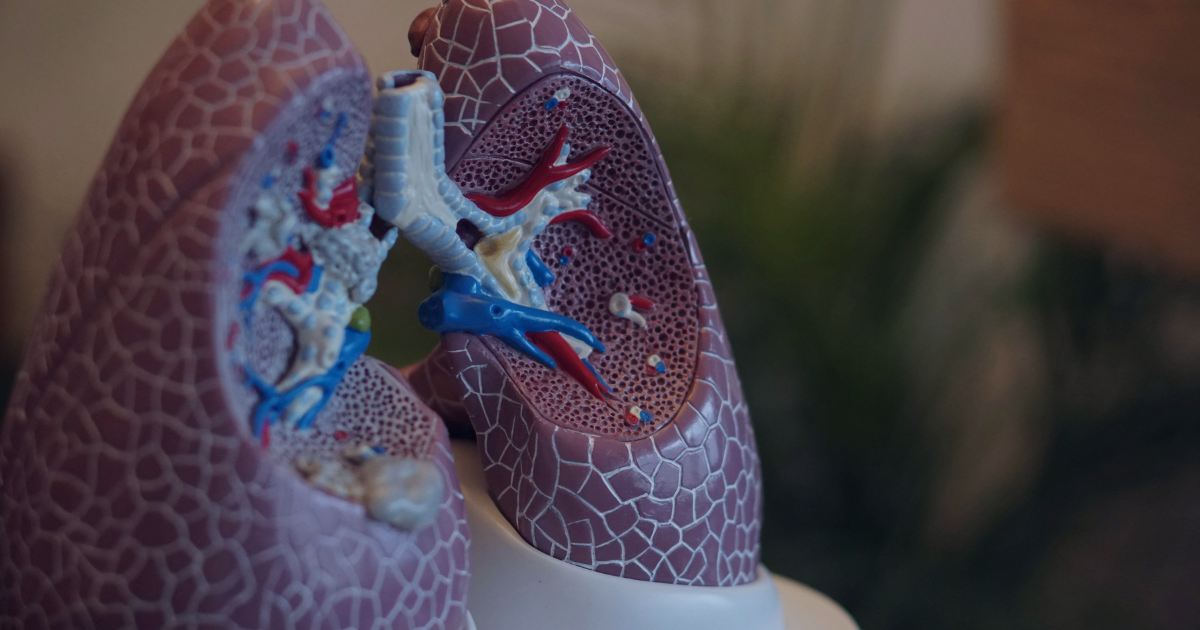
Mesothelioma is a cancer of the lining of the lung and chest and/or the lining of the abdominal wall. Asbestos exposure is one of the few causes of this cancer. The latency period for mesothelioma is often 15-50 years.
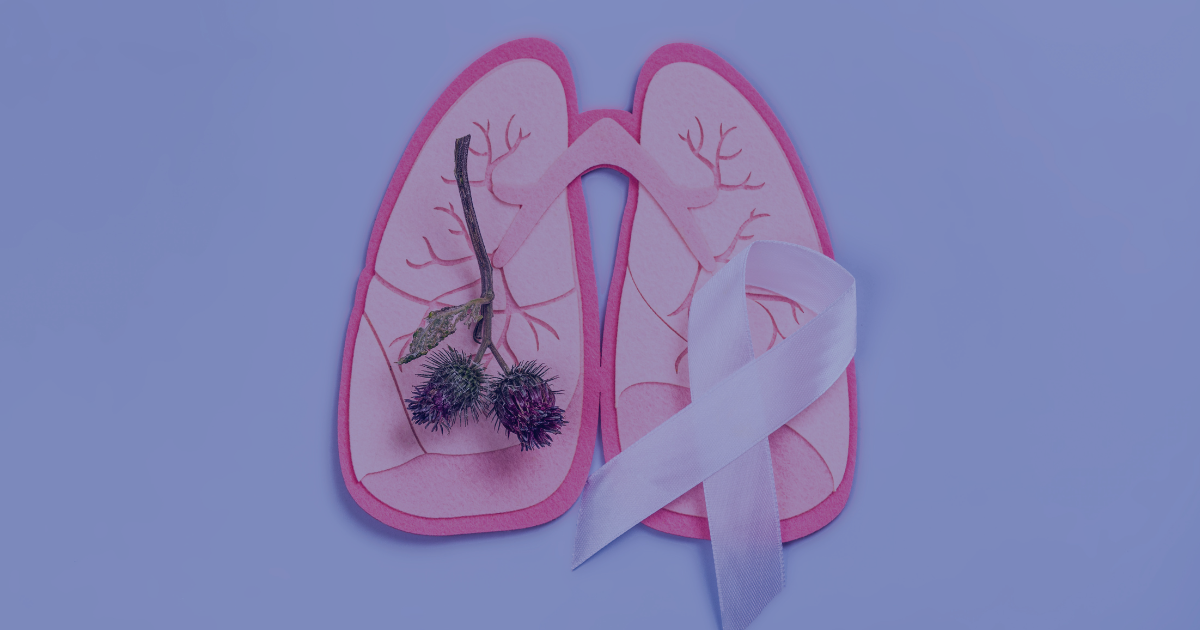
Lung cancer can be caused by exposure to asbestos. A person has a greater chance (50 to 84 times greater) of developing lung cancer if they are exposed to asbestos and smoke. Cancer of the gastrointestinal tract can also be caused by asbestos exposure. Cancers can go undetected for 15-30 years.
Despite the common misconception, exposure to asbestos fibers does not cause immediate symptoms. If you are concerned about an exposure, seek the advice of your medical provider.
Asbestos ban
Asbestos fibers may still be found in building materials. There have been common misunderstandings about an Environmental Protection Agency (EPA) ban on asbestos-containing materials products or uses in the past. In 1989, the EPA passed a partial ban on the manufacture, import, processing, and distribution of some asbestos-containing products. It also prohibited the introduction of new uses of asbestos in products starting after 1989. Many sources incorrectly report that all asbestos-containing products have been banned since then. In 1991, the U.S. Fifth Circuit Court of Appeals vacated much of the so-called Asbestos Ban and Phaseout rule and remanded it to the EPA.
The original 1989 EPA ban on the U.S. manufacturing, importation, processing, or distribution in commerce of many asbestos-containing product categories was set aside and did not take effect. Six asbestos-containing product categories are still subject to the 1989 asbestos ban. Products manufactured in other countries may also contain asbestos and can be imported into the United States.
EPA does not track the manufacture, processing, or distribution in commerce of asbestos-containing products. Consumers or other buyers may choose to inquire as to the presence of asbestos in particular products. Possible sources of that information would include inquiring about the dealer/supplier or manufacturer, referring to the product's "Safety Data Sheet" (SDS), or considering having the material tested by an accredited laboratory before installing it in your building.
Asbestos inspections and testing
The CDPHE Air Pollution Control Division’s experts support schools and businesses in complying with air pollution laws regulating asbestos and materials containing it. Colorado Air Quality Control Commission Regulation 8, Part B sets requirements for asbestos abatement activities. The Colorado Solid and Hazardous Waste Commission's Regulations Pertaining to Solid Waste Disposal Sites and Facilities, 6 CCR 1007-2 Part 1, Section 5, sets requirements for the disposal of asbestos waste and the management of asbestos-contaminated soil.
The only way to know if a material contains asbestos is to have the material tested by an accredited laboratory. An inspection by a Colorado-certified Asbestos Building Inspector can confirm where asbestos-containing material is located in a home or any other building. An asbestos inspection must be conducted by a certified asbestos building inspector prior to renovation or demolition activities that meet regulatory requirements.
Renovation vs demolition
Understanding the difference between renovation and demolition can help you stay compliant and safeguard your health. To avoid penalties and delays, you must have most projects inspected for asbestos-containing materials by a Colorado-certified asbestos building inspector before beginning work. For demolition, you must have an inspection and obtain a state-issued demolition permit before beginning work. For renovation projects, if you are impacting greater than the trigger levels of suspect asbestos-containing materials, you must have an inspection and address any identified asbestos materials.
Renovation: altering in any way one or more components in or on a facility. Operations in which load-supporting structural members are wrecked or removed are demolitions.
Examples of renovation work include the replacement or repair of mechanical ventilation systems, pipes, ceilings, walls, flooring (including floor tiles), and insulating materials. Renovation may also include the construction of additions or the modification of existing components where tie-ins, joints, or other intersections may occur.
Demolition: the wrecking or removal of any load-supporting structural member of a facility together with any handling of debris related to the demolition, the intentional burning of any facility, or moving a facility from a permanent foundation.
For information on asbestos abatement for professionals across various sectors and industries, visit the asbestos support and guidance: renovation, demolition, and certification web page.
Contact us
Questions? Email cdphe.asbestos@state.co.us or call 720-507-5136 with general questions or comments on asbestos. Email cdphe.iepcertification@state.co.us for more information on asbestos certification.
Stay informed. Subscribe to receive email updates from the CDPHE Air Pollution Control Division.
Get involved. Visit the air division’s web page for upcoming public participation opportunities.