
Health Equity Strategic Plan | Department of Public Health and Environment

Return to CDPHE's homepage, call 303-692-2000, or email cdphe.information@state.co.us for more information or assistance with direct services.
Priority:
Problem statement
Environmental justice seeks to improve the physical environment and therefore the health of residents in areas that are disproportionately exposed to environmental pollution in the air, water, and soil. In Colorado, like other states, a higher percentage of people of color and low-income residents live in these areas.
Community engagement
Many of CDPHE’s strategies were recommendations from the Environmental Justice Action Task Force, a group of volunteers created by Colorado’s 2021 Environmental Justice Act. For example, CDPHE has a diverse group of interested parties, ranging from affected residents to universities, who advise on the work and provide suggestions like enhancing methodologies and adding new indicators for release as Enviroscreen 2.0. The department’s work has also been presented during community meetings, drawing on best practices for community engagement, such as hosting meetings at various times and days and in locations that are safe and accessible, ensuring language justice, cultural sensitivity, and accessibility of outreach materials.
Jump to:
Strategy #1: Create the Office of Environmental Justice
Strategy #2: Reduce Childhood Lead Poisoning in Disproportionately Impacted Communities
Strategy #3: Offer Additional Environmental Health Mapping Tools
Strategy #4: Implement Water Testing Program at Mobile Home Parks
Strategy #5: Improve Oil Refinery Expertise to Reduce Emissions
Strategy #6: Conduct Environmental Equity and Cumulative Impacts Analyses

Create the Office of Environmental Justice
CDPHE will request in statute the creation of the Office of Environmental Justice, with relevant staff and funding, in order to implement recommendations from the Environmental Justice Action Task Force and other relevant environmental justice legislation.
Communities prioritized by this strategy:
- Low-income communities
- Communities of color
- Housing cost-burdened communities
- Linguistically isolated communities
- Historically marginalized communities
- Cumulatively impacted communities
- Rural communities
- Tribal lands
- Mobile Home Communities
Areas of impact
This strategy will impact Coloradans statewide.
2024 milestones
- Successfully run legislation that establishes an office at CDPHE, provides a director and other relevant staff. [Complete]
2025 milestones
- Hire a director and internal staff. [Complete]
- Create and implement a work plan to meet all legislative requirements and the governor’s orders, including direction to implement Environmental Justice Action Task Force recommendations. [Complete]
2026 milestones
- Continue to implement the work plan.
By December 2024:
- Pass legislation codifying the Environmental Justice office, staff, and budget. [Complete]
By December 2025:
- Hire staff and create a workplan. [Complete]
- Begin to implement the workplan to meet statutory deadlines. [Complete]
By December 2026:
- Implement 70% of the work plan.
Reduce Childhood Lead Poisoning in Disproportionately Impacted Communities
CDPHE will reduce childhood lead poisoning by increasing access to lead testing and providing in-home assessments and mitigation where elevated blood lead levels are identified.

Communities prioritized by this strategy:
- Low-income communities
- Communities of color
- Housing cost-burdened communities
- Linguistically isolated communities
- Historically marginalized communities
- Cumulatively impacted communities
- Rural communities
- Tribal lands
- Mobile Home Communities
Areas of impact
This strategy will impact Coloradans statewide.
2024 milestones
- Successfully secure state funding to hire staff to receive EPA lead assessor certification. [Complete]
- Purchase equipment and provide resources to assist local public health agencies (LPHAs) and Disproportionately Impacted communities at higher exposure risk to increase lead testing. [Complete]
- Complete a four-part series for health care providers through Extension for Community Health Outcomes (ECHO) to increase lead testing awareness. [Complete]
2025 milestones
- Hire a community coordinator. [Complete]
- Implement a “spice” swap program to replace spices that are identified as high in lead during our in-home investigation(s). [Complete]
- Provide training and technical assistance for LPHAs and providers with low testing rates. [Complete]
- Review in-home investigation data, testing rate data, determine an increase, and evaluate and implement approaches to increase and/or maintain rates. [Complete]
2026 milestones
- Evaluate the program by mapping improvements in testing rates and the decrease of blood lead levels in Colorado children.
By December 2024
- Offer environmental in-home investigations for 100% of children with a confirmed blood lead level of ≥ 3.5 µg/dL annually. [Complete]
- Conduct 25-30 in-home investigations. [Complete]
By December 2025
- Offer environmental in-home investigations for 100% of children with a confirmed blood lead level of ≥ 3.5 µg/dL annually. [Complete]
- Conduct up to 200 in-home investigations. [Complete]
- Provide two ECHO webinars, 15 lunch and learns, and four articles in the Colorado American Association of Pediatrics newsletter to clinicians regarding the importance of blood lead testing and reporting. [Complete]
- Host four mobile testing events in high-risk, low-testing areas. [Complete]
By December 2026
- Increase testing rates at 12 AND 24 months for children enrolled in Medicaid by 15%.
Offer Additional Environmental Health Mapping Tools
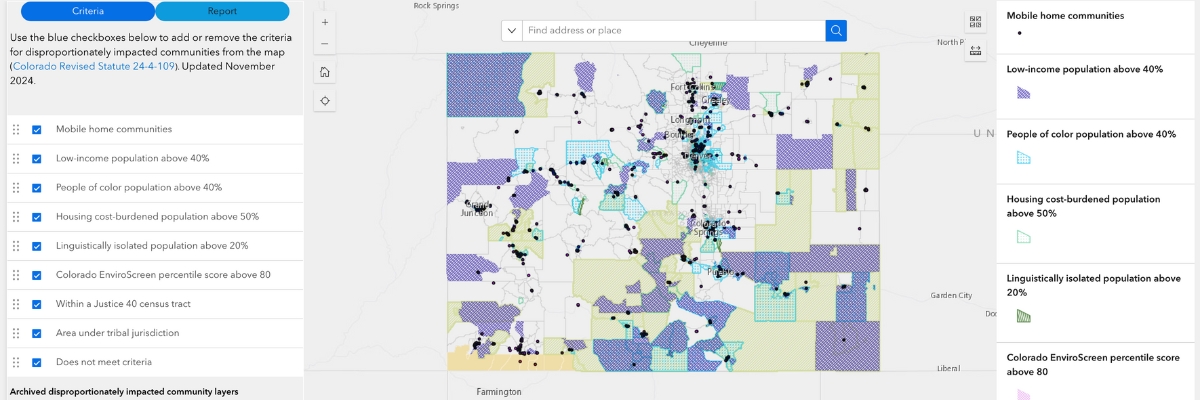
CDPHE will offer new and enhanced tools that help communities, governments and researchers access data about environmental health. The tools include the Air Pollution Control Division Map Portal and Records Search Tool, Environmental Justice Facilities Report, Colorado EnviroScreen 2.0, and the Disproportionately Impacted Community Map.
Communities prioritized by this strategy:
- Low-income communities
- Communities of color
- Housing cost-burdened communities
- Linguistically isolated communities
- Historically marginalized communities
- Cumulatively impacted communities
- Rural communities
- Tribal lands
- Mobile Home Communities
Areas of impact
This strategy will impact Coloradans statewide.
2024 milestones
- Launch the Air Pollution Control Division Map Portal and Records Search Tool, providing a map based easy to access records search, as well as the Facility Inspections Map showing state inspections of air pollution sources in Colorado. [Complete]
- Launch the Environmental Justice Facilities Report that provides awareness of potential projects in neighborhoods. [Complete]
- Launch an updated Colorado EnviroScreen Version 2.0 and the new Disproportionately Impacted Community map (CRS 24-4-109). [Complete]
2025 milestones
- Develop tutorial tools and a data access page for the Air Pollution Control Division Map Portal and Records Search Tool. [Complete]
- Host trainings for the Environmental Justice Facilities Report for community organizations and non-governmental entities. [Complete]
- Host trainings or in-person workshops for EnviroScreen for state agencies and community members. [Complete]
2026 milestones
- Initiate updates to mapping tools based upon usage and feedback.
By December 2026
- Increase the annual number of visits to the Environmental Justice Summary Dashboard website by 5% each year, from 5,000 in 2025 and 5,250 visits in 2026.
- Increase the annual number of visits to the Air Pollution Control Division Map Portal and Records Search Tool website by 5% each year, from 3,600 site visits in 2024 to 3,850 in 2025 and 4,045 visits in 2026.
- Increase the annual number of visits to the Colorado EnviroScreen website (English and Spanish) by 5% each year, from 24,900 site visits in 2024 to 26,145 in 2025 and 27,450 visits in 2026.
Implement Water Testing Program at Mobile Home Parks
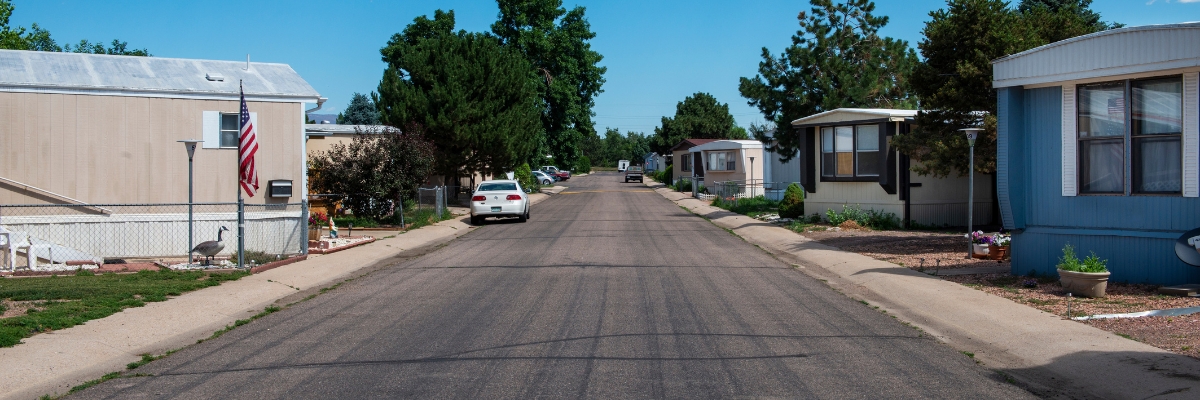
The Mobile Home Park Water Quality Act helps Colorado protect clean and safe water in the state’s mobile home parks. The law created a drinking water testing program for Colorado's mobile home parks and requires CDPHE to test the water in the parks, starting July 2024. The testing will determine if there are water quality issues that need to be addressed. The law requires the division to engage with park residents and develop and implement a statewide action plan to improve drinking water in mobile home parks by March 2026. The EJ Office is providing outreach to park residents, including monolingual Spanish speakers.
Communities prioritized by this strategy:
- Low-income communities
- Communities of color
- Housing cost-burdened communities
- Linguistically isolated communities
- Historically marginalized communities
- Cumulatively impacted communities
- Rural communities
- Tribal lands
- Mobile Home Communities
Areas of impact
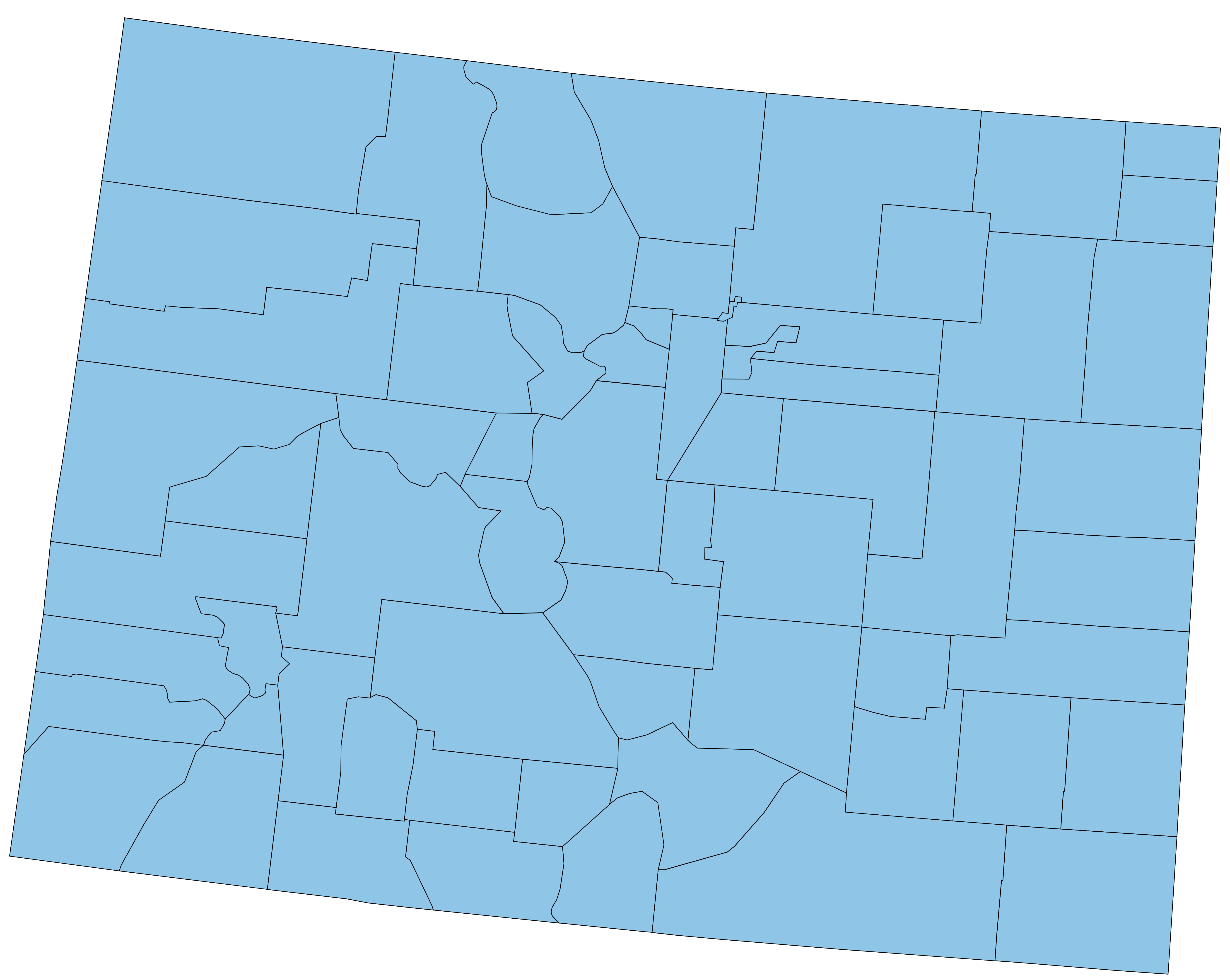
This strategy will impact Coloradans in the highlighted counties:
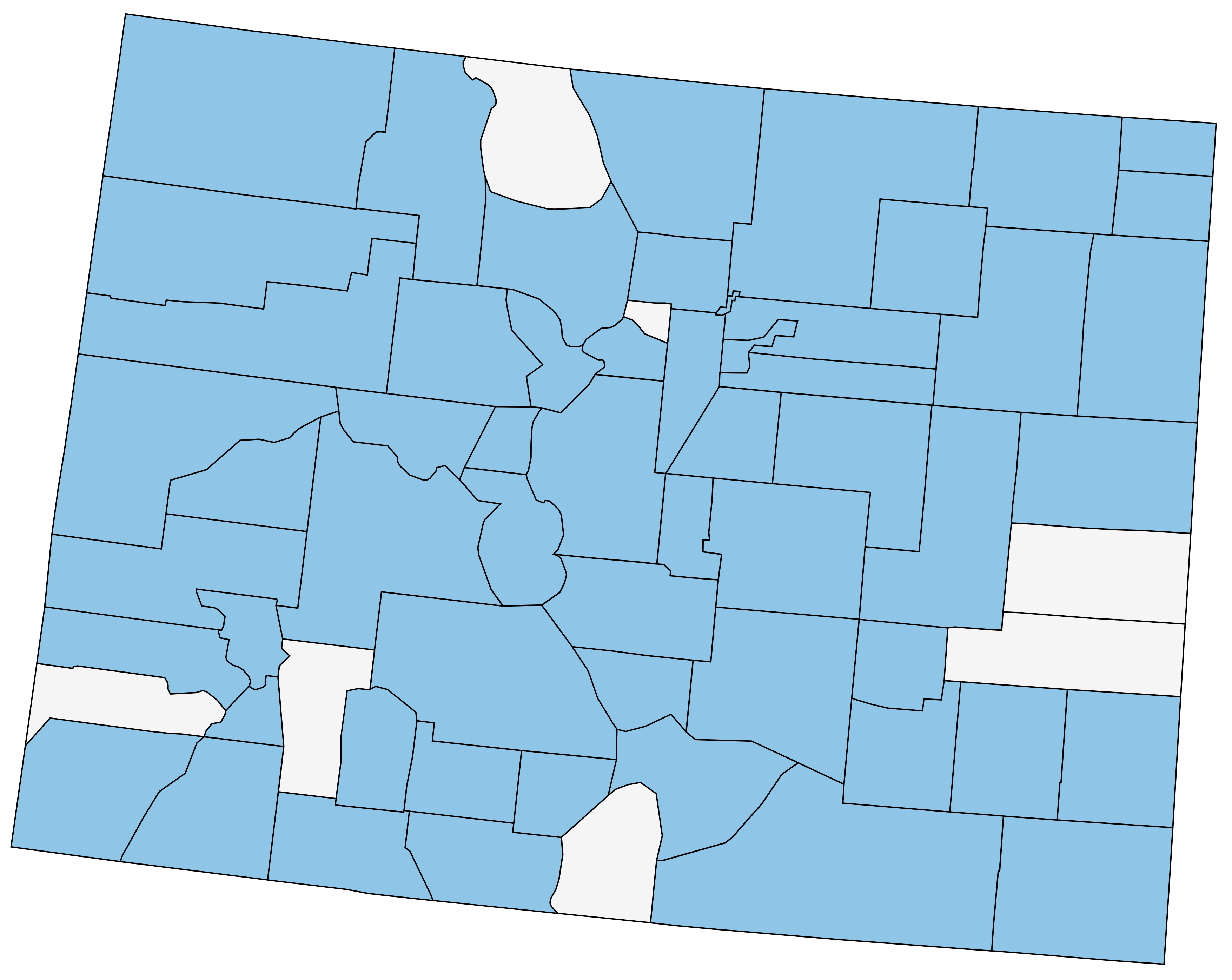
- List of counties affected
- Adams
- Alamosa
- Arapahoe
- Archuleta
- Baca
- Bent
- Boulder
- Broomfield
- Chaffee
- Clear Creek
- Conejos
- Crowley
- Custer
- Delta
- Denver
- Douglas
- Eagle
- El Paso
- Elbert
- Fremont
- Garfield
- Grand
- Gunnison
- Huerfano
- Jefferson
- Kit Carson
- La Plata
- Lake
- Larimer
- Las Animas
- Lincoln
- Logan
- Mesa
- Mineral
- Moffat
- Montezuma
- Montrose
- Morgan
- Otero
- Ouray
- Park
- Phillips
- Pitkin
- Prowers
- Pueblo
- Rio Blanco
- Rio Grande
- Routt
- Saguache
- San Juan
- San Miguel
- Sedgwick
- Summit
- Teller
- Washington
- Weld
- Yuma
2024 milestones
- Procure contractor for testing. [Complete]
- Establish and implement testing prioritization plan. [Complete]
- Start to conduct community member interviews and outreach. [Complete]
- 604 interviews conducted.
2025 milestones
- Test mobile home parks. [Complete]
- Continue community member interviews, stakeholder work, and action plan development. [Complete]
2026 milestones
- Test additional mobile home parks.
- Continue community member interviews and stakeholder work.
- Develop the Action Plan to address and improve water quality.
By December 2024
- Launch testing program. [Complete]
- Test 125 parks (16% of all parks). [Complete]
- Hold two stakeholder meetings. [Complete]
- Provide four office hours sessions. [Complete]
- Hold 11 community outreach events. [Complete]
By December 2025
- Test 25% of parks. [Complete]
By December 2026
- Finalize an Action Plan to improve water quality.
- Test 50% of parks.

Communities prioritized by this strategy:
- Low-income communities
- Communities of color
- Housing cost-burdened communities
- Linguistically isolated communities
- Historically marginalized communities
- Cumulatively impacted communities
- Mobile Home Communities
Areas of impact
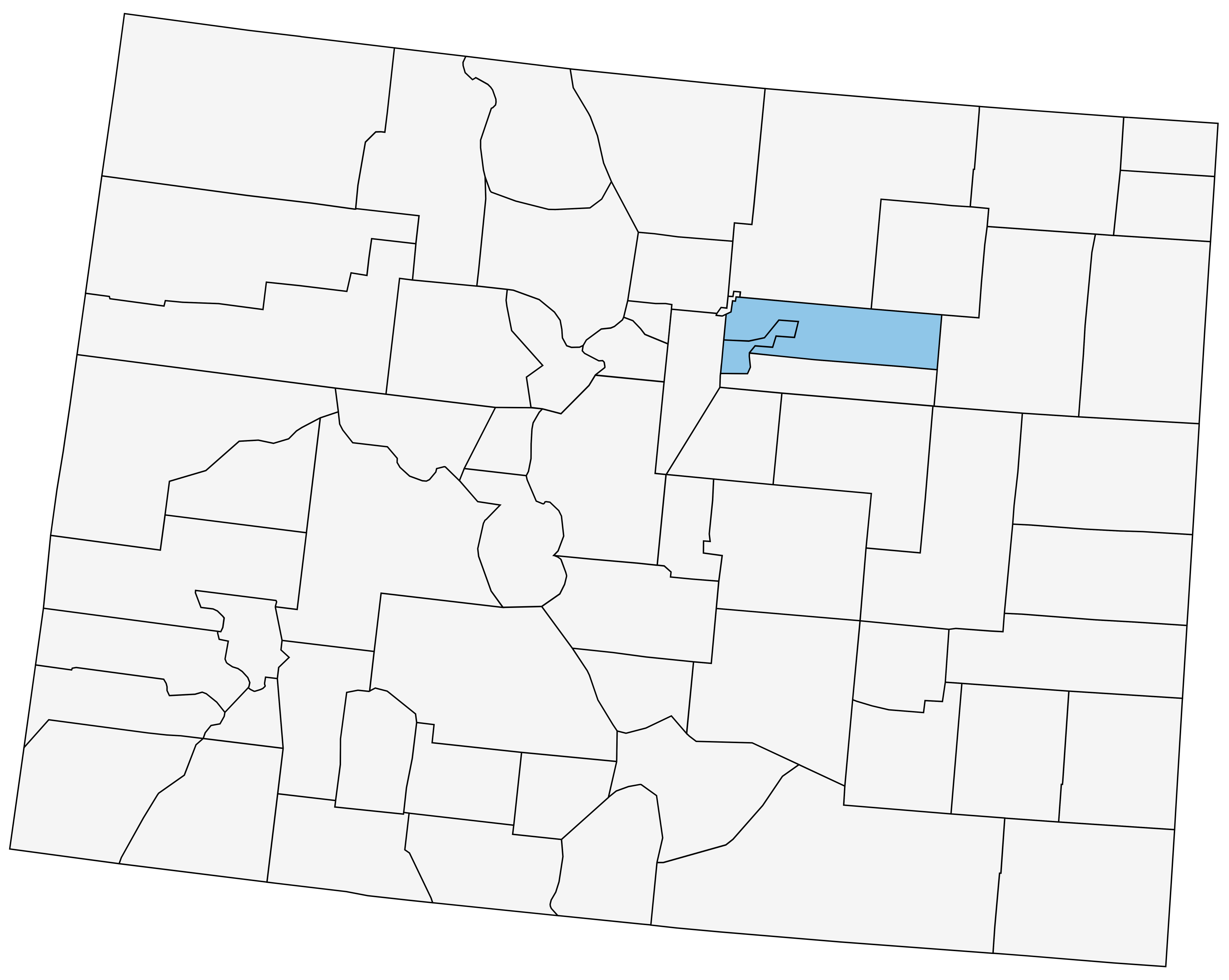
This strategy will impact Coloradans in Adams and Denver counties.
2024 milestones
- Propose legislation that enables CDPHE to fund a refinery expert. [Complete]
2025 milestones
- Hire or contract with refinery expert in early 2025. [Complete]
- Begin providing additional data to the department on emissions monitoring systems. [Complete]
- Upgrade community-based monitoring systems to monitor certain pollutants and atmospheric conditions. [Complete]
- Identify potential options for reducing refinery air pollution.
2026 milestones
- Implement next steps for reducing refinery air pollution through a rulemaking or other processes, such as permitting and enforcement settlements.
By December 2024
- Successfully pass legislation to support a refinery expert. [Complete]
By December 2025
- Hire staff and create a work plan and evaluation plan.
By December 2026
- Complete an evaluation of air pollutants, investigated regulatory frameworks in other states and at the federal level, identified best practices and technologies for minimizing emissions from petroleum refineries, and determined the actions needed to reduce emissions.
Conduct Environmental Equity and Cumulative Impacts Analyses
CDPHE will assess the burdens and disparities experienced in two disproportionately impacted communities with Environmental Equity and Cumulative Impacts Analyses (EECIA). Each EECIA will consider quantitative and qualitative information regarding the cumulative impacts of air, water, and soil pollution and consider socioeconomic factors and health data for specific geographic areas. The information can be used by governmental agencies and communities for planning, permitting and making local land use decisions.
Communities prioritized by this strategy:
- Low-income communities
- Communities of color
- Housing cost-burdened communities
- Linguistically isolated communities
- Historically marginalized communities
- Cumulatively impacted communities
- Rural communities
- Tribal lands
- Mobile Home Communities
Areas of impact
The location of the first two Environmental Equity and Cumulative Impacts Analyses have not yet been selected.
2024 milestones
- Successfully run legislation that enables CDPHE to secure resources to develop two EECIAs. [Complete]
2025 milestones
- Develop a community engagement plan and cross agency engagement plan. [Complete]
- Hire a contractor to begin development of the first EECIA.
2027 milestones
- Hire a contractor to begin development of the second EECIA.
2028/29 milestones
- Complete two EECIAs by the end of 2029.
- First EECIA complete by end of 2028.
- Second EECIA complete by end of 2029.
By December 2024
- Pass legislation enabling CDPHE to secure resources to develop two EECIAs. [Complete]
By December 2025
- Create an EECIA work plan that engages communities and agencies. [Complete]
By December 2026
- Determine location of second EECIA.
By January 2027
- Relevant state and local governmental agencies are using the first EECIA in decision-making to reduce environmental burdens in DI communities.